AI receptionist · voice AI · operations
AI Receptionist vs Phone Tree: What Service Businesses Should Choose
Published 2026-07-01 · Updated 2026-07-28 · 9 min read
Compare AI receptionists and IVR phone trees for clinics, firms, and appointment-based teams — and when RiVara makes sense.
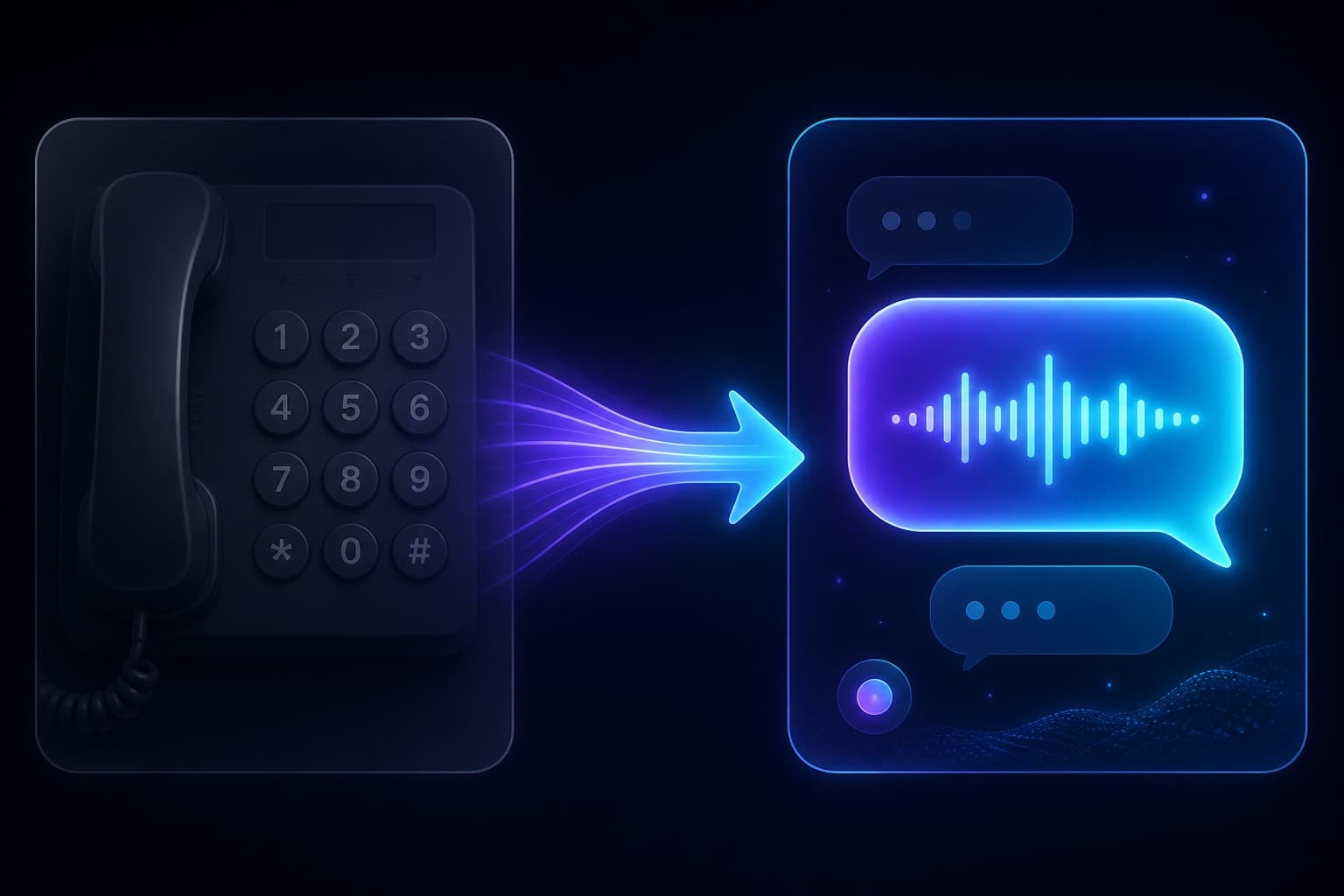
Phone trees were built for routing, not conversations. Callers bounce through menus, abandon the line, and book somewhere else — often with a competitor who answered in seconds.
An AI receptionist answers in natural language, qualifies the request, checks availability, and books — or escalates to a human when confidence is low.
What a phone tree actually optimizes for
IVR systems reduce agent load by forcing callers into buckets: press 1 for sales, press 2 for support. That works when every path is predictable and patience is high.
Service businesses rarely have that luxury. Patients, clients, and buyers ask messy questions: "Do you take my insurance?", "Can I see someone this week?", "Is the unit still available?" Menus cannot negotiate intent.
What an AI receptionist optimizes for
Conversational AI optimizes for completion: answer the FAQ, capture the need, offer a real slot, confirm the booking, and document the outcome.
The win is not "replacing staff." It is capturing after-hours demand, reducing no-shows with clearer confirmations, and giving your team a clean summary before the appointment.
When RiVara is the better fit
Choose RiVara when appointments are the product — clinics, firms, brokerages, salons — and when knowledge, calendars, and notes must stay in one organization-scoped system.
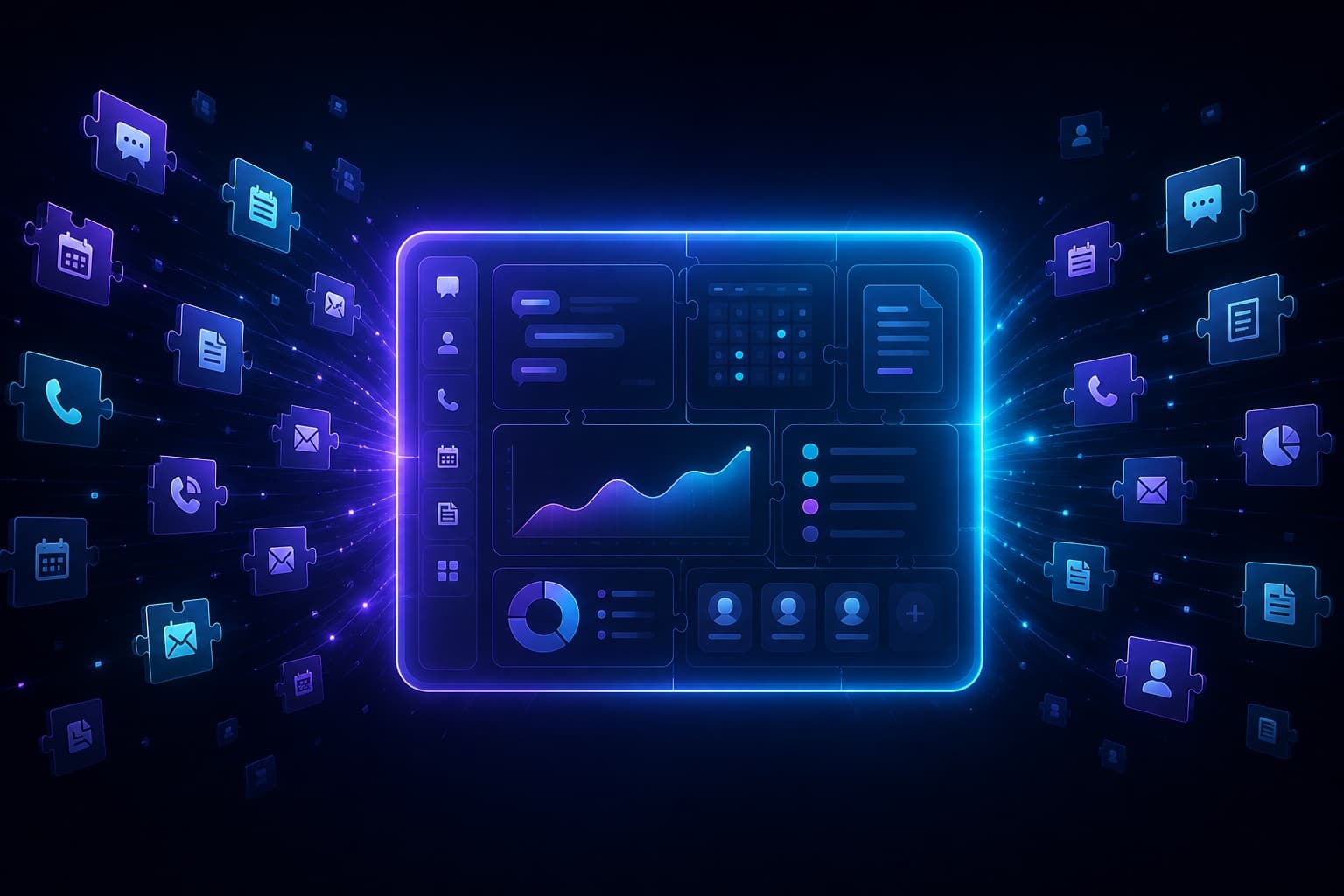
RiVara combines voice and chat reception with scheduling, knowledge retrieval, and post-call documentation so the front desk and operations stack stay in sync.